Local SEO: How to Get Your Business Found First in Your City
A practical, step-by-step guide to ranking in the Google Map Pack, winning “near me” searches, and turning local visibility into paying customers.
If your business serves customers in a specific city, town, or neighbourhood, showing up when someone nearby searches “near me” isn’t optional anymore — it’s the difference between a full calendar and an empty one. That’s the entire job of local SEO: making sure your business is the one Google shows first to people who are ready to visit, call, or buy right now.
In this guide, we’ll break down exactly how local search ranking works in 2026, the ranking factors that actually move the needle, and a step-by-step local SEO strategy you can start using today.

What Is Local SEO?
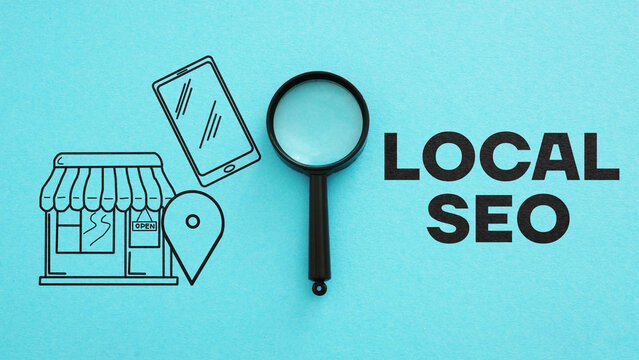
Local SEO (local search engine optimisation) is the process of improving your business’s visibility in location-based search results — primarily the Google Map Pack, Google Maps, and localised organic listings. Unlike traditional SEO, which competes for rankings on a national or global scale, local SEO strategy focuses on ranking within a specific geographic radius: your city, your service area, or even a few kilometres around your storefront.
Local SEO matters most for businesses with a physical location or a defined service area — restaurants, clinics, law firms, home services, salons, retail stores, and agencies that serve clients in specific regions.
Why Local SEO Matters in 2026
Consumer behaviour has shifted permanently toward “near me” and voice-based local searches. A business that isn’t optimised for local search is essentially invisible to a huge share of ready-to-buy customers.
These numbers explain why ranking in the local 3-pack is one of the highest-ROI investments a local business can make — it captures customers at the exact moment they’re deciding where to go.
Google’s Local Ranking Factors
Google evaluates three core signals when deciding which businesses to show for a local query: relevance, distance, and prominence. Here’s how to influence each one.
1. Google Business Profile (GBP)
Your Google Business Profile is the single most important local SEO ranking factor. A fully optimised, verified, and regularly updated profile signals trust and relevance to Google.
- Choose accurate primary and secondary business categories
- Add complete business hours, service areas, and attributes
- Upload real, high-quality photos of your location, team, and work
- Post updates, offers, and events weekly through GBP Posts
- Answer the Q&A section proactively

2. Online Reviews
Review count, review velocity (how frequently new reviews come in), average rating, and how you respond to reviews all directly impact local rankings — and influence whether a searcher chooses your business over a competitor.
- Ask happy customers for a review at the moment of highest satisfaction
- Respond to every review — positive and negative — professionally and promptly
- Naturally include keywords in your responses where relevant (e.g. “Thanks for trusting us with your plumbing repair in [city]”)
3. NAP Citations
A citation is any online mention of your business Name, Address, and Phone number (NAP) — on directories, industry sites, and local publications. Consistency is critical: even small discrepancies (a suite number missing, an abbreviated street name) can dilute local ranking signals.
- List your business on major directories (Google, Bing Places, Apple Maps, Yelp)
- Get listed on industry-specific and local city directories
- Audit and correct inconsistent NAP data across the web
4. On-Page Local SEO
Your website itself needs to signal geographic relevance clearly to both users and search engines.
- Create a dedicated, keyword-optimised location page for each city or area you serve
- Embed a Google Map and local schema markup (LocalBusiness structured data)
- Use your city/region naturally in title tags, headers, and body content
- Ensure your site is mobile-friendly and loads quickly — local searches are overwhelmingly mobile
5. Local Link Building
Backlinks from locally relevant, authoritative websites (local news outlets, chambers of commerce, community blogs, sponsorships) strengthen your prominence signal and help you outrank competitors who rely only on national link profiles.
Step-by-Step Local SEO Strategy
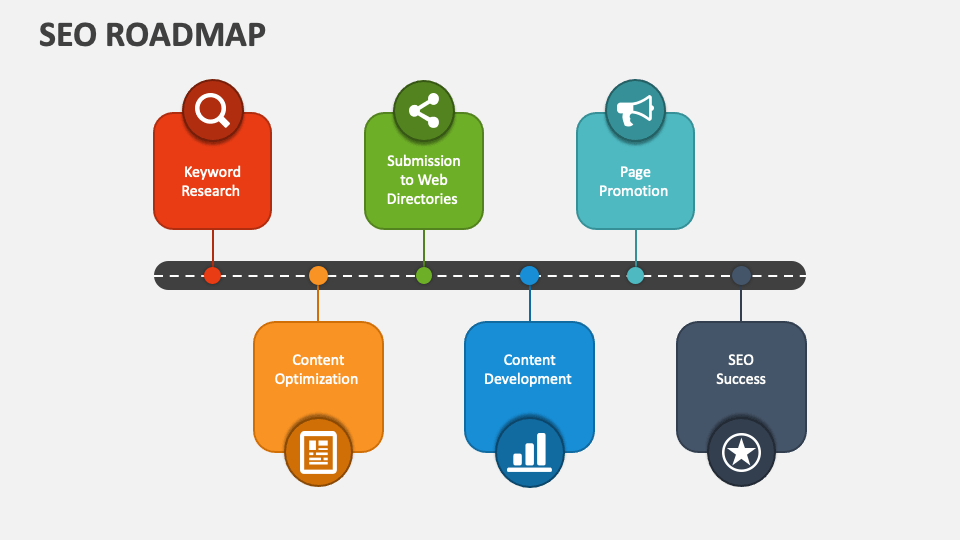
Here’s how to put all the ranking factors above into a practical, sequenced local SEO strategy.
Claim and fully optimise your Google Business Profile
This is your foundation. Verify ownership, complete every field, and add fresh photos and posts weekly.
Run local keyword research
Identify how your customers search — “[service] in [city]”, “[service] near me”, “best [service] [neighbourhood]” — and map these primary and secondary keywords to specific pages.
Build and clean up citations
Get listed consistently across major and niche directories, and fix any conflicting NAP data already online.
Build a review generation system
Set up an automated, ethical process for requesting reviews after every positive interaction.
Publish location-specific content
Create dedicated landing pages per service area, plus blog content answering local customer questions.
Earn local backlinks
Partner with local organisations, sponsor community events, and get featured in local press for genuine, relevant links.
Common Local SEO Mistakes to Avoid
- Inconsistent NAP data across directories and your website
- Keyword stuffing your business name on Google Business Profile (this violates Google’s guidelines and can get your listing suspended)
- Ignoring negative reviews instead of responding professionally
- Duplicate or thin location pages with little unique content
- Neglecting mobile page speed, which hurts both rankings and conversions
- Buying fake reviews — a fast way to lose your Google Business Profile entirely
Helpful Local SEO Tools
While strategy matters more than software, the right tools make local SEO far easier to execute and track:
- Google Business Profile Manager — manage your listing directly
- Google Search Console — track local organic performance
- BrightLocal / Whitespark — citation building and local rank tracking
- Google Maps / Local Falcon — check Map Pack rankings by area
Frequently Asked Questions
How long does local SEO take to show results?
What’s the difference between local SEO and regular SEO?
Do I need a physical address to rank locally?
How many Google reviews do I need to rank well?
Can I do local SEO myself, or should I hire an agency?
Ready to Rank Higher in Your City?
Get a free local SEO audit of your Google Business Profile, citations, and rankings — no obligation.